
MOMBASA, Kenya—Feb 18, 2026—As Muslims in Kenya prepare for the Holy month of Ramadan, the nation is witnessing the familiar mix of anticipation and controversy over the official start of fasting.
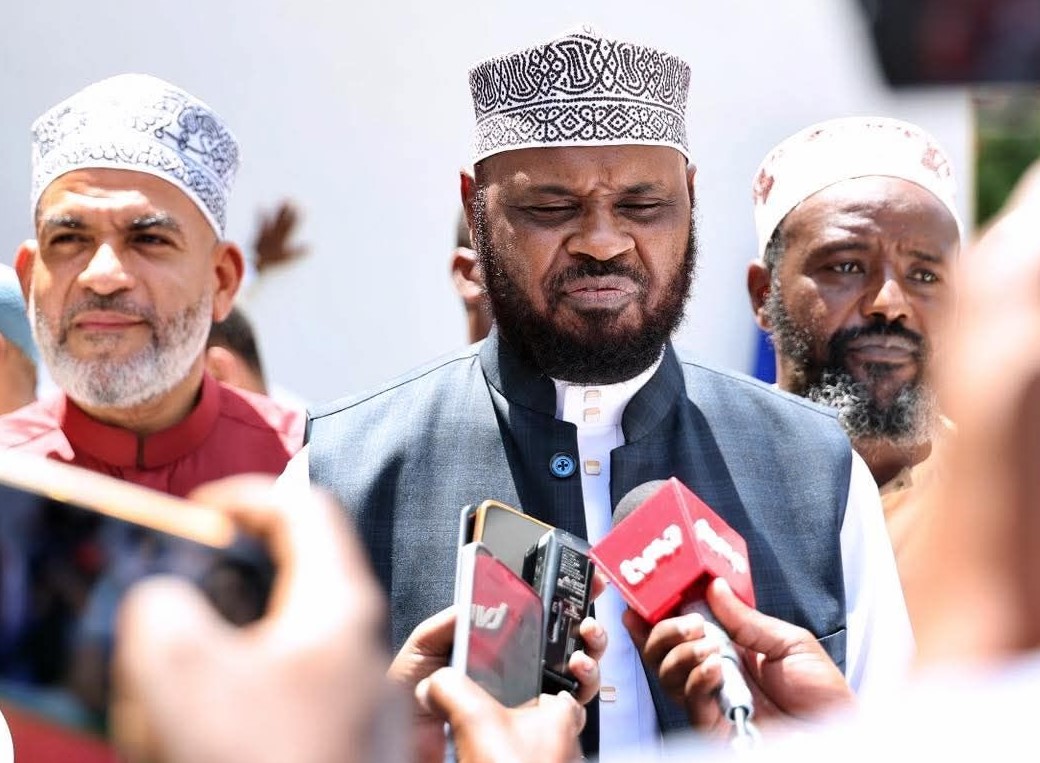
Acting Chief Kadh Sheikh Sukyan Omar Hassan has cautioned believers against engaging in disputes, emphasizing that even if some begin fasting on different days, none should condemn the other.
He pledged to follow the guidance of his predecessor, the late former Chief Kadh Sheikh Abdulhalim Hussein, who recommended that local moon sightings determine the start of Ramadan, while Eid ul-Adha should follow the Middle East calendar.
Despite this, a section of Muslims in Kenya, following reports from Saudi Arabia and other Middle Eastern countries, have indicated they will begin fasting on Wednesday 18, 2026.
As of Tuesday evening, Sheikh Sukyan had not made a formal declaration, leaving many awaiting official guidance. This situation highlights the delicate balance between respecting local religious authority and responding to international moon sighting confirmations.
Adding a voice of unity, the Kenya Muslims National Advisory Council (KEMNAC), chaired by Sheikh Juma Ngao, urged believers to avoid disputes over the start of the month.
Grand Mufti Sheikh Mushali Khamis stressed that Ramadan should bring Muslims together, reminding the community that disagreements over moon sightings do not reflect the teachings of Islam, which promote peace, harmony, and communal solidarity.
KEMNAC also appealed to well-wishers and government agencies to support Muslims with food and other humanitarian assistance, particularly as the holy month coincides with severe drought affecting many parts of the country, including the Coastal and Northeastern regions.
Internationally, the crescent moon marking the start of Ramadan has already been sighted in the United Arab Emirates, Saudi Arabia, and Oman, with most Asian countries expected to begin fasting on February 19.
This highlights a longstanding reality in the Muslim world: differences in moon sighting practices mean that Ramadan can start on different days in different regions, creating both spiritual and social complexities.
The annual debate over Ramadan’s start is not new. It reflects a tension between tradition and modern communication, local authority and global connections. Yet, leaders like Sheikh Sukyan and institutions like KEMNAC continue to emphasize patience, respect, and unity, urging the faithful to focus on the spiritual essence of Ramadan—fasting, reflection, prayer, and community support—rather than on calendar disputes.
As Kenya’s Muslims await the official declaration, the situation serves as a reminder of the richness and diversity of Islamic practice, and the ongoing importance of leadership, guidance, and communal harmony during one of the most sacred times of the year.